




How Speed Ovens Deliver Restaurant-Quality Pasta Anywhere
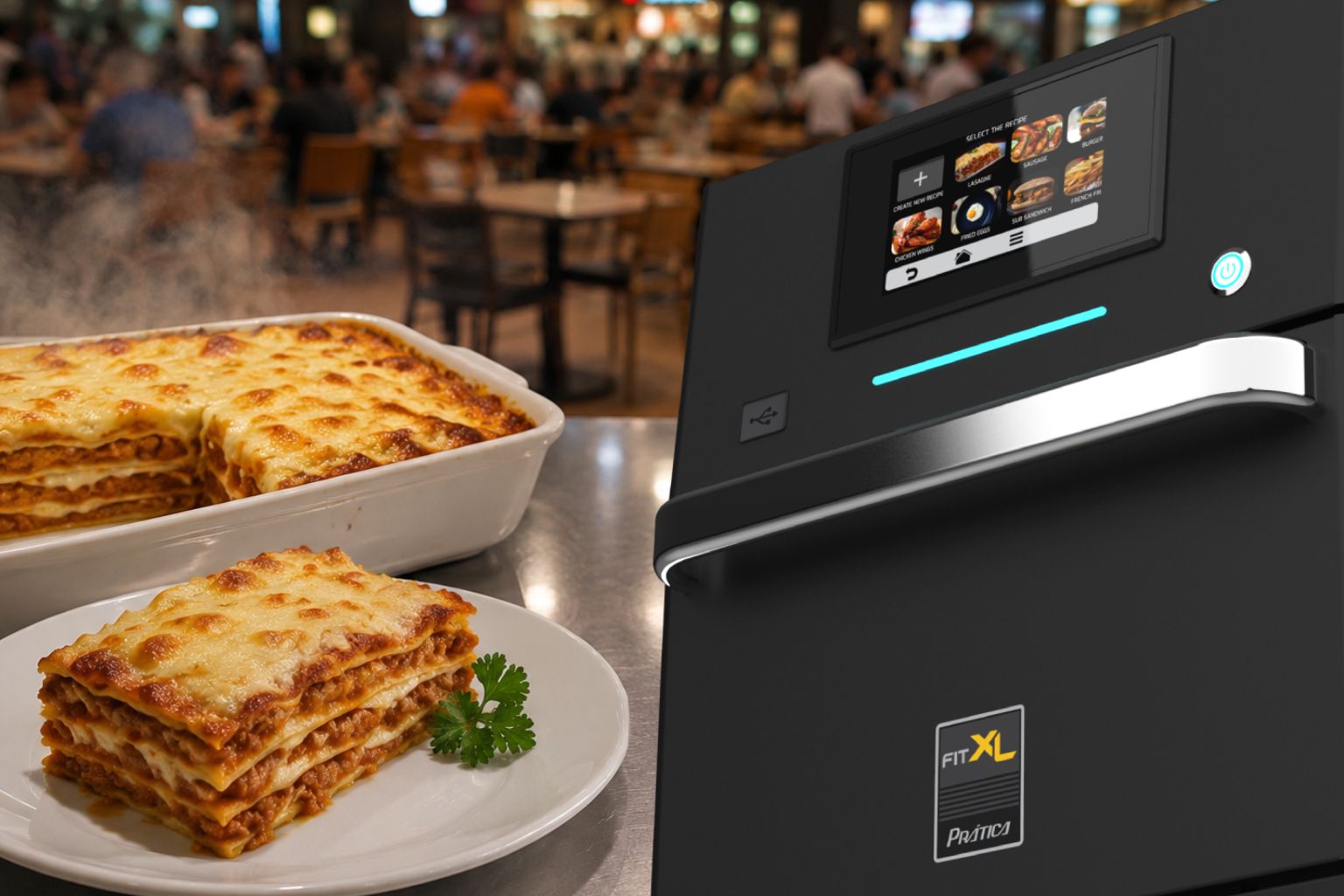
Fresh pasta served moments after it is prepared remains one of the hallmarks of Italian cuisine.
Whether it is lasagna bubbling straight from the oven, baked rigatoni with a golden cheese crust or ravioli finished with a rich sauce, these dishes are traditionally associated with restaurants, experienced chefs and fully equipped kitchens.
However, consumers increasingly expect the same quality in places where a conventional kitchen is not available.
Food halls, shopping centres, airports, convenience stores, universities and corporate dining facilities all serve customers looking for a complete meal within minutes.
Speed Ovens make this possible by combining rapid heating with browning and gratination, allowing operators to finish prepared pasta dishes quickly while maintaining the appearance, texture and flavour expected from oven-finished meals.
Can Pasta Be Finished in a Speed Oven?
Yes. Speed Ovens allow operators to serve freshly finished pasta in locations without a full commercial kitchen by combining microwave energy with impinged hot air.
The microwave heats the pasta and sauce throughout the dish, while high-velocity hot air melts and browns the cheese to create the golden finish associated with traditional baking.
Instead of simply reheating a meal, the equipment completes the final cooking stage, producing baked pasta with an appealing appearance and serving temperature in just a few minutes.
Why Traditional Pasta Preparation Requires More Infrastructure
Preparing baked pasta from scratch involves several stages.
The pasta must be cooked to the correct texture, sauces prepared separately, ingredients assembled and many recipes finished in a conventional oven until the cheese melts and develops colour.
This workflow typically requires:
- boiling equipment
- conventional ovens
- refrigerated preparation areas
- trained kitchen staff
- additional production time
- valuable kitchen space
For restaurants, this process is routine. For grab-and-go concepts, kiosks, transport hubs and convenience retail, it is often impractical.
A Smarter Production Model
Many foodservice businesses now prepare meals in a central kitchen or commissary kitchen before distributing individual portions to satellite locations.
Fresh pasta, filled pasta or pasta cooked al dente can be portioned with sauces and cheeses before being chilled or frozen under controlled conditions.
During service, staff only need to place the prepared portion inside a Speed Oven, select the appropriate cooking programme and serve the finished meal.
This approach supports menu consistency while reducing labour requirements at the point of sale.
Fresh or Precooked Pasta Both Deliver Excellent Results
Different production models can benefit from rapid finishing technology.
Operators may choose to work with:
- freshly prepared pasta
- fresh filled pasta
- chilled pasta portions
- pasta cooked al dente
- frozen ready meals
- baked pasta assembled in advance
Each option offers flexibility according to production volume, distribution model and available kitchen facilities.
More Than Heating: Creating the Final Oven-Baked Finish
Traditional microwave ovens heat food quickly but cannot produce the texture customers expect from baked pasta.
Speed Ovens combine two complementary cooking technologies.
Microwave energy rapidly heats the entire portion, including the centre of the dish, while impinged hot air circulates at high speed across the surface.
This combination delivers several benefits:
- evenly heated sauces
- properly warmed pasta
- melted cheese
- golden gratination
- lightly crisp edges
- attractive presentation
- shorter finishing times
The result resembles pasta freshly removed from a conventional oven rather than a product simply reheated in a microwave.
Expanding Menus Beyond Traditional Restaurants
Compact, high-speed cooking equipment allows operators to introduce baked Italian dishes without installing a complete commercial kitchen.
Applications include:
- food halls
- shopping malls
- airports
- railway stations
- convenience stores
- petrol stations
- cafés
- universities
- hospitals
- hotels
- office buildings
- entertainment venues
These locations often have limited preparation space but still need to deliver meals that meet customer expectations for quality and speed.
Supporting High-Volume Foodservice Operations
Fast service should not come at the expense of consistency.
Programmable cooking cycles help standardise preparation regardless of who operates the equipment. Every portion follows the same cooking profile, helping maintain serving temperature, cheese browning and overall product quality throughout the day.
This consistency is especially valuable for:
- Quick Service Restaurants (QSR)
- grab-and-go concepts
- convenience retail
- travel catering
- franchise operations
- multi-site foodservice businesses
Standardised finishing also simplifies staff training while improving throughput during peak service periods.
A Wide Range of Pasta Dishes
Speed Ovens support numerous baked and assembled recipes, including:
- lasagna
- baked penne
- rigatoni al forno
- cannelloni
- stuffed shells
- baked ravioli
- macaroni and cheese
- vegetable pasta bakes
- seafood pasta
- chicken Alfredo
- vegetarian pasta dishes
Recipes can be prepared centrally and finished to order, allowing operators to broaden their menu without significantly increasing operational complexity.
Operational Benefits Beyond Cooking
Introducing oven-finished pasta can improve several aspects of daily operations.
Businesses may benefit from:
- reduced equipment footprint
- faster order fulfilment
- improved menu flexibility
- consistent portion quality
- simplified workflows
- efficient use of labour
- centralised food production
- better throughput during busy periods
These advantages make baked pasta a practical menu category for businesses seeking to serve complete meals in locations where traditional kitchen infrastructure is unavailable.
Restaurant-Quality Pasta Wherever Customers Need It
Few people have the opportunity to enjoy pasta prepared daily by an Italian nonna, an experienced chef or a neighbourhood trattoria.
Yet customers still appreciate freshly finished lasagna, baked rigatoni or ravioli with bubbling cheese, whether they are shopping, travelling or taking a short lunch break.
By combining microwave heating with impinged hot air, Speed Ovens make it possible to transform prepared pasta into an oven-finished meal with the appearance, texture and serving quality associated with traditional baking.
For foodservice operators, this creates new opportunities to serve Italian favourites in places where a conventional restaurant kitchen simply is not practical.
Frequently Asked Questions
Can a Speed Oven cook fresh pasta?
Yes. Fresh pasta can be finished in a Speed Oven once it has been assembled with sauce and other ingredients. Cooking programmes can be adjusted according to the recipe and portion size.
Is precooked pasta suitable for Speed Ovens?
Yes. Pasta cooked al dente is widely used in commercial food production because it maintains its structure during reheating and final baking.
What makes a Speed Oven different from a microwave?
A microwave primarily heats food. A Speed Oven combines microwave energy with impinged hot air, allowing cheese to melt, brown and develop a gratinated finish while heating the dish evenly.
Which foodservice businesses benefit most from Speed Ovens?
Food halls, cafés, convenience stores, airports, universities, hotels, hospitals, petrol stations, travel catering operations and Quick Service Restaurants can all use Speed Ovens to serve oven-finished meals without a traditional kitchen.
Can pasta dishes be prepared in advance?
Yes. Many operators prepare portions in a central kitchen, chill or freeze them under appropriate food safety procedures and finish each serving only after the customer places an order.
Which pasta dishes work best?
Lasagna, baked penne, rigatoni al forno, cannelloni, baked ravioli, macaroni and cheese and similar oven-finished recipes are particularly well suited to this cooking method.
Learn how Speed Ovens help achieve even browning for hot sandwiches.