




Hotel Bar: How to Increase Revenue and Guest Satisfaction
A hotel stay is no longer defined by a comfortable room alone.
Today's travelers expect convenience, quality dining, and welcoming spaces where they can relax without leaving the property.
Whether visiting for business or leisure, many guests arrive tired after a day of meetings, sightseeing, or travel and simply want a hot meal and a good drink close to their room.
A well-designed hotel bar fulfills these expectations while creating valuable opportunities for hotels to increase food and beverage revenue.
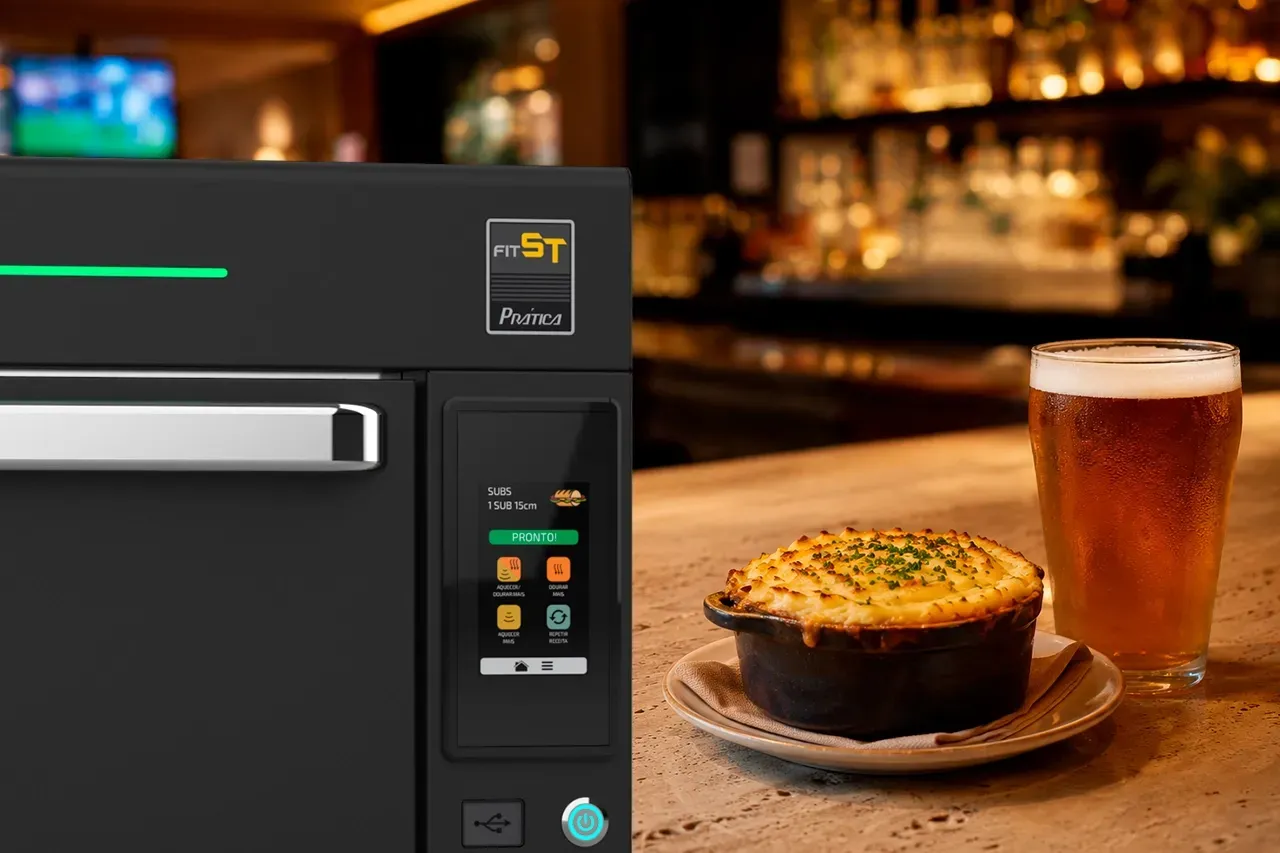
Supported by efficient kitchen technology such as commercial speed ovens, it becomes a destination that combines convenience, speed, quality, and profitability.
The Role of a Hotel Bar in Modern Hospitality
A hotel bar is a food and beverage outlet located inside a hotel that serves cocktails, wine, beer, spirits, coffee, and freshly prepared meals in a comfortable social setting.
Depending on the property, it may operate as a lobby bar, lounge bar, rooftop bar, or an all-day dining venue.
Far from being simply a place to order drinks, today's hotel bar serves multiple purposes.
It welcomes business meetings, casual conversations, remote work, evening relaxation, and convenient dining for guests who prefer to stay on-site.
Why guests choose to stay in the hotel bar
Convenience is one of the main reasons travelers choose to dine inside the hotel.
Business travelers often finish long workdays without the desire to search for restaurants in unfamiliar cities.
Leisure travelers may return from sightseeing exhausted or arrive late after flights when dining options nearby are limited.
In large metropolitan areas, traffic congestion, weather conditions, and transportation costs also encourage guests to remain at the hotel.
An inviting hotel bar gives them exactly what they need:
- Freshly prepared hot meals
- Signature cocktails and premium beverages
- Wine and beer selections
- Comfortable seating
- Professional service
- A relaxing atmosphere
Instead of becoming only a waiting area, the hotel bar becomes part of the overall stay.
The hotel bar as a revenue opportunity
Every guest who decides to dine and socialize inside the property contributes to higher revenue.
Rather than losing food and beverage sales to nearby restaurants and bars, hotels can capture additional spending by offering an attractive environment, quality service, and a carefully planned menu.
An effective beverage program combined with quality food can help hotels:
- Increase the average spend per guest
- Generate additional food and beverage revenue
- Improve occupancy value without adding rooms
- Encourage repeat purchases throughout the stay
- Increase evening sales
- Promote premium beverages and signature cocktails
For many properties, the hotel bar becomes one of the most profitable departments outside room sales.
Guest perception is shaped by every interaction
Guests rarely evaluate a hotel based on one element alone.
Their perception is built through dozens of small interactions, including check-in, room comfort, dining, beverage quality, and staff service.
A welcoming bartender, attentive employees, and consistently well-prepared food can significantly influence online reviews and overall satisfaction. These experiences often determine whether guests recommend the hotel or choose it again on future trips.
The details that make a difference include:
- Service speed
- Food quality
- Beverage presentation
- Menu variety
- Staff friendliness
- Overall ambiance
A memorable hotel bar enhances the property's reputation while encouraging guests to spend more time and money on-site.
Creating an elegant social space
A successful hotel bar combines aesthetics with functionality.
Whether designed as a lobby bar, lounge, or rooftop venue, it should invite guests to stay longer and enjoy the atmosphere.
Features that contribute to an upscale environment include:
- Comfortable furniture
- Contemporary lighting
- Thoughtful interior design
- Flexible seating arrangements
- Signature beverage menus
- Curated wine lists
- Open layouts that encourage conversation
These elements elevate the property's image while supporting additional food and beverage sales.
Menu flexibility creates more opportunities
Today's travelers expect food options throughout the day, not only during traditional meal periods.
Beyond cocktails and appetizers, many hotel bars now serve breakfast items, sandwiches, pizzas, flatbreads, gourmet burgers, desserts, and late-night meals.
A broader menu allows hotels to accommodate different guest profiles while creating additional revenue opportunities without requiring a full-service restaurant.
Expanded menus also support:
- Late-night dining
- Business lunches
- Informal meetings
- Happy hour service
- Small group gatherings
- Quick meals before departure
Extending service beyond traditional dining hours
Many hotel guests arrive after nearby restaurants have closed or finish meetings and events late in the evening.
For these travelers, the hotel bar often becomes the most convenient place to enjoy a freshly prepared meal without leaving the property.
Keeping food service available after 10 p.m. creates opportunities to increase food and beverage revenue while improving guest satisfaction. Instead of limiting the menu to cold snacks or packaged products, hotels can serve hot sandwiches, pizzas, flatbreads, appetizers, desserts, and other freshly prepared meals in just a few minutes.
Late-night dining also helps retain revenue that might otherwise be lost to delivery apps or local restaurants.
The hotel bar can also complement room service.
While some guests prefer to dine in their rooms, many enjoy the atmosphere of a welcoming lounge where they can relax, socialize, or unwind after a busy day.
Encouraging these guests to use the hotel bar reduces pressure on room service operations while increasing the average value of each stay.
Speed matters in hotel bar operations
Fast service is essential for guest satisfaction.
Lengthy preparation times can negatively affect the dining experience, particularly during breakfast, conference breaks, evening rushes, or late-night service.
Commercial speed ovens help hotels reduce cooking times dramatically while maintaining consistent quality across the menu.
Instead of limiting food offerings to simple snacks or items requiring extensive preparation, hotel bars can deliver a wider selection of hot meals quickly and consistently.
Why commercial speed ovens are ideal for hotel bars
Commercial speed ovens combine multiple cooking technologies to prepare food significantly faster than conventional equipment.
For hotel operations, this provides several advantages:
- Shorter ticket times
- Consistent food quality
- Greater menu flexibility
- Reduced preparation bottlenecks
- Faster service during peak periods
- Compact equipment footprint
- Efficient use of kitchen space
These benefits allow hotel bars to expand their menus without adding complex kitchen infrastructure.
Doing more with compact kitchens and lean teams
Not every hotel has the space for a large commercial kitchen or the resources to operate extensive culinary teams. Boutique hotels, airport hotels, business hotels, and urban properties frequently need to offer a diverse menu from compact preparation areas.
Commercial speed ovens make this possible by maximizing productivity in limited spaces.
Using a single piece of equipment, hotel bars can prepare:
- Artisan pizzas
- Flatbreads
- Gourmet sandwiches
- Paninis
- Appetizers
- Breakfast items
- Bakery products
- Desserts
- Hot snacks
This versatility allows operators to expand the menu without increasing kitchen complexity or adding multiple cooking stations.
It also enables hotels to serve more guests during busy periods without expanding staffing levels.
Teams can maintain fast service, consistent quality, and efficient workflows while supporting higher sales volumes.
The result is a hotel bar capable of generating additional revenue, serving a broader menu, and operating efficiently even with compact kitchens and lean teams.
Technology that increases profitability
Kitchen technology plays a direct role in hotel profitability.
By reducing preparation times and expanding menu possibilities, commercial speed ovens help hotels improve productivity while increasing food and beverage revenue.
Additional operational benefits include:
- Higher order capacity during peak hours
- Lower waiting times
- Greater menu consistency
- Improved labor utilization
- Increased guest retention inside the property
- Higher average ticket value
These efficiencies allow hotels to maximize revenue opportunities without significantly increasing operational complexity.
A hotel bar that guests remember
An excellent hotel bar is much more than a convenient place to order a drink.
It becomes an extension of the hotel's identity, offering guests a welcoming environment where they can relax, meet colleagues, enjoy quality meals, or simply end the day comfortably.
For hotel operators, this means stronger guest satisfaction, higher food and beverage sales, improved guest retention, and greater value from every stay.
Combined with commercial speed oven technology from Prática, hotel bars can deliver fast, consistent service, expand their menus, optimize compact kitchen operations, and create memorable experiences that encourage guests to stay, dine, and return.
Frequently Asked Questions
Why invest in a hotel bar?
A hotel bar provides guests with convenient access to food and beverages while creating a comfortable space for relaxation, business meetings, and social interaction without leaving the property.
How does a hotel bar increase hotel revenue?
A hotel bar generates additional food and beverage sales, encourages guests to remain on-site, increases the average spend per stay, and creates opportunities to sell premium drinks and freshly prepared meals.
What food can be served in a hotel bar?
Modern hotel bars often serve sandwiches, pizzas, flatbreads, burgers, appetizers, desserts, breakfast items, and late-night meals alongside cocktails, wine, beer, and specialty beverages.
Why are commercial speed ovens used in hotel bars?
Commercial speed ovens reduce cooking times, improve service speed, support menu expansion, and help hotels prepare high-quality meals consistently while making better use of available kitchen space.
Can a hotel bar replace room service?
Rather than replacing room service entirely, a hotel bar complements it by giving guests an inviting alternative for dining and socializing while helping hotels increase on-site food and beverage revenue.
See how to produce authentic pizzas in kitchens where wood-fired ovens cannot be installed.