




Why your Speed Oven should never sit idle
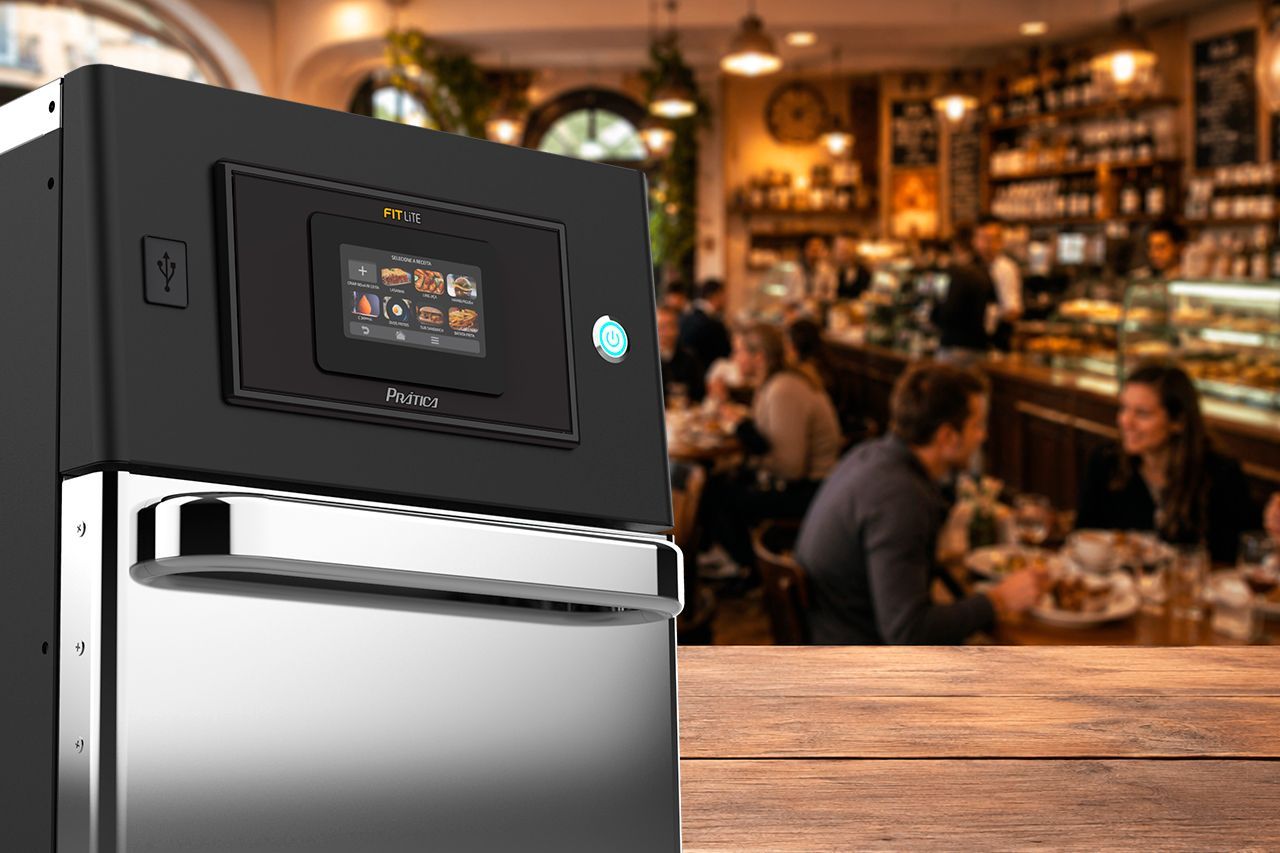
Many foodservice operators invest in Speed Ovens to manage breakfast rushes, lunchtime demand and busy trading periods.
While these moments are important, the greatest return on investment often comes from how the equipment supports sales throughout the entire day.
The most successful operations do not view Speed Ovens as equipment reserved for peak periods.
Instead, they use them to maintain product availability, adapt menus to different dayparts and respond quickly to changing customer demand.
The technology enables rapid preparation, but the real value comes from creating more opportunities to serve fresh, hot food whenever customers are ready to buy.
Why continuous utilisation matters
A Speed Oven can support multiple business objectives beyond fast service.
Continuous utilisation helps operators:
- Increase revenue throughout the day
- Improve profitability per square metre
- Expand menu options without expanding kitchen space
- Reduce food waste through on-demand preparation
- Support food-to-go programmes
- Increase average transaction value
- Improve return on equipment investment
Rather than focusing only on speed, operators can use the equipment to create a more dynamic and responsive foodservice offer.
Availability influences purchasing decisions
Customers are more likely to purchase food when attractive options are immediately available.
Visible, freshly prepared products create interest and encourage spontaneous purchases, particularly in convenience foodservice environments where buying decisions are often made within seconds.
A well-stocked foodservice area signals freshness, convenience and reliability.
When customers consistently find hot food available, they become more likely to include foodservice as part of their regular purchasing habits.
Maintaining availability throughout the day can therefore have a direct impact on sales performance.
Convenience consumers make decisions quickly
Convenience foodservice customers rarely spend long periods comparing multiple options.
Most purchasing decisions are influenced by three factors:
- Visibility
- Speed
- Perceived freshness
When customers see hot food available immediately, the purchasing process becomes easier.
Waiting times are reduced, confidence in quality increases and impulse purchases become more common.
This behaviour is particularly relevant for consumers balancing work, commuting, family responsibilities and busy schedules.
Many are looking for a quick solution that combines convenience with quality.
For operators, this means that keeping food visible and available can be just as important as the products themselves.
Creating demand throughout the day
Different dayparts create different sales opportunities.
Mid-morning may favour lighter snacks and bakery products.
Lunch periods can support a broader range of meal solutions.
Afternoons often create demand for savoury snacks, toasted sandwiches and quick food-to-go options.
Early evenings may attract customers seeking a convenient alternative to preparing a meal at home.
Aligning products with customer expectations throughout the day helps maximise the value of the foodservice operation.
Lunch offers without a full kitchen
Speed Ovens allow operators to serve hot meal solutions without the complexity of a traditional kitchen.
Depending on the operation, menus may include:
- Pasta dishes
- Vegetable gratins
- Fish portions
- Soups and broths
- Roasted vegetables
- Prepared meals
- Seasonal hot dishes
Using frozen-to-fresh systems and chilled prepared products allows businesses to deliver consistency, food safety and quality while simplifying production.
This approach is particularly valuable for operations with limited space or lean teams.
Small products can generate significant revenue
Not every sale needs to be a complete meal.
Many successful convenience foodservice programmes generate strong returns from smaller purchases made throughout the day.
Examples include:
- Bruschettas
- Toasted sandwiches
- Filled pastries
- Mini pizzas
- Calzones
- Bakery snacks
- Savoury bites
- Premium grab-and-go items
These products often require minimal preparation while delivering attractive margins and encouraging repeat purchases.
Match sandwich offers to different dayparts
Customer preferences change as the day progresses.
Lighter sandwiches often perform well around lunchtime when customers are looking for a quick but balanced meal.
Later in the day, more substantial recipes may appeal to customers seeking a satisfying and convenient option before returning home.
Offering different sizes, recipes and formats allows operators to serve a broader range of customer needs while maintaining menu flexibility.
Hot pastries create premium perception
Croissants remain a popular choice, but they represent only part of the opportunity.
Fine pastries, laminated dough products and filled bakery items can achieve excellent results when served hot and freshly finished.
Texture plays an important role in customer satisfaction.
Crisp layers, warm fillings and visible freshness can elevate product perception and support premium pricing.
Expanding menus without fryers
Many operators want to introduce fried-style products without installing traditional frying equipment.
Chilled pre-fried products can be regenerated quickly in a Speed Oven, allowing businesses to serve hot snacks while avoiding the operational challenges associated with fryers.
This approach can help reduce:
- Equipment complexity
- Cleaning requirements
- Oil management
- Ventilation demands
- Staff training requirements
For compact operations, this creates additional menu flexibility without increasing operational burden.
Pizza and calzones create opportunities beyond meal times
Pizza slices, calzones and similar products are often associated with lunch and evening demand.
However, they can also perform well during quieter periods when prepared on demand.
Customers purchasing beverages, groceries or other convenience items may be encouraged to add a hot snack or meal when preparation times are measured in seconds rather than minutes.
This can increase basket size while maintaining a fast customer journey.
Continuous testing supports growth
Consumer preferences evolve continuously.
Operators who regularly test new flavours, formats and limited-time offers are often better positioned to identify emerging opportunities.
Speed Ovens make experimentation easier by allowing small-scale trials without significant operational risk.
A seasonal soup, a regional pastry, a premium sandwich or a new snack concept can be introduced quickly and evaluated using real customer feedback.
Over time, these adjustments can contribute to stronger menu performance and greater profitability.
How do Speed Ovens improve profitability?
Speed Ovens support profitability by enabling on-demand preparation, reducing food waste, expanding menu flexibility and helping operators serve hot food consistently throughout the day.
They also support operational efficiency by simplifying production workflows and allowing businesses to respond quickly to customer demand.
Keep the oven working
The value of a Speed Oven is not defined solely by its technology.
Its value comes from how effectively it is integrated into the foodservice operation.
Businesses that maintain product availability, adapt offers throughout the day, test new menu items and respond to customer behaviour are often better positioned to maximise the potential of their investment.
In convenience foodservice, success depends on creating reasons for customers to purchase at any time of day.
A Speed Oven can play an important role in making that possible.
FAQ
Can Speed Ovens help reduce food waste?
Yes. Speed Ovens support on-demand preparation, allowing operators to cook products as needed rather than preparing large batches in advance.
This helps reduce waste while maintaining product availability.
What products perform well during quieter trading periods?
Toasted sandwiches, pastries, bruschettas, bakery products and savoury snacks often perform well because they combine convenience, speed and attractive price points.
Can Speed Ovens support menu expansion?
Yes. Operators can introduce new recipes, seasonal products and limited-time offers without significantly increasing kitchen complexity or labour requirements.
Why is product availability important in convenience foodservice?
Customers are more likely to purchase when they can immediately see hot, fresh food available.
Consistent availability can encourage impulse purchases and support repeat visits.
See how European bakeries are gaining a competitive edge with Speed Ovens.