




Why Hot Sandwiches Sell Better Than Cold Options
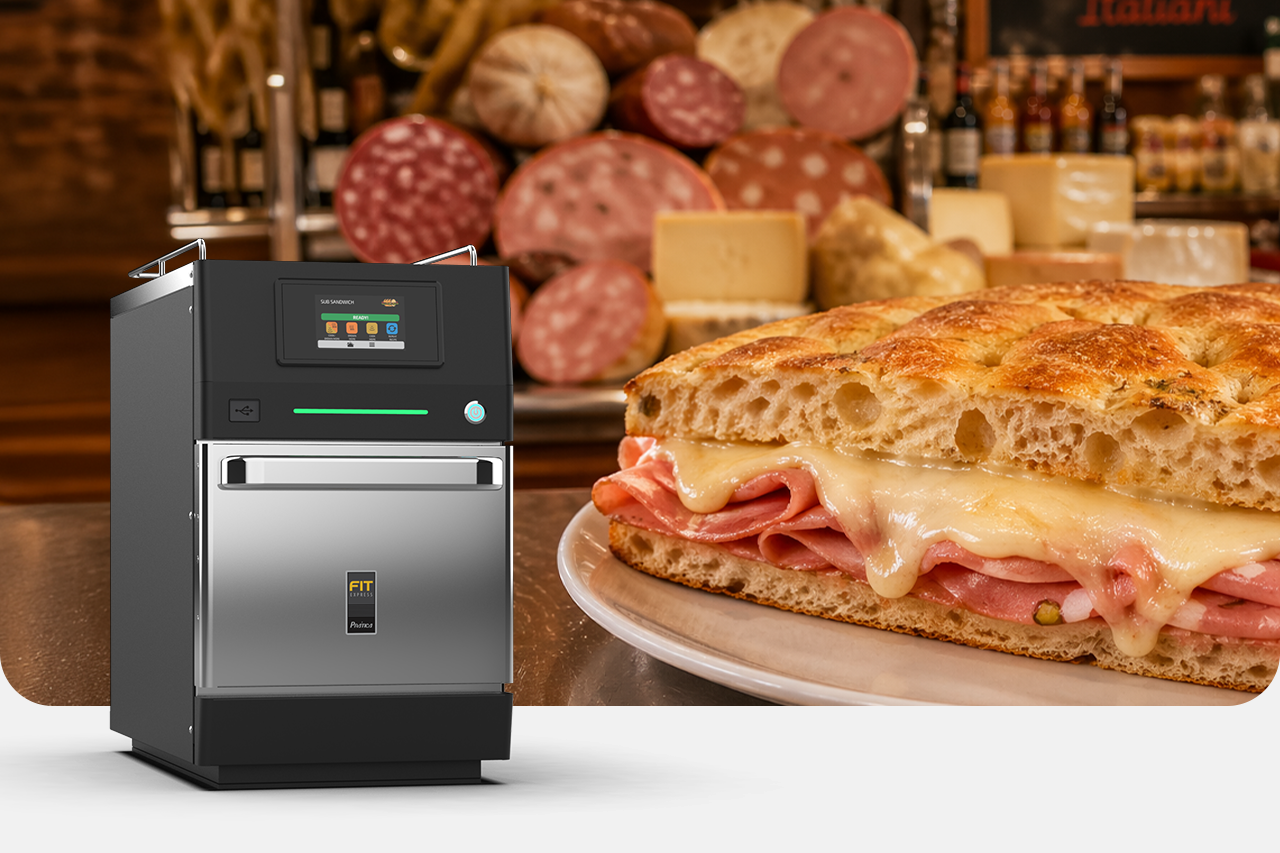
In many European food-to-go businesses, cold sandwiches are still the default.
They are simple to display and easy to handle, but often fail to meet current expectations.
In busy locations such as stations and tourist areas, long queues followed by cold bread and fillings can lead to dissatisfaction.
This scenario creates a clear opportunity.
Offering hot sandwiches with crispy bread and warm fillings responds directly to evolving consumer expectations, combining convenience with perceived quality.
Why hot sandwiches attract more customers
Hot sandwiches deliver immediate sensory impact.
The aroma of toasted bread, the visual appeal of melted cheese and the contrast between a crispy exterior and a warm interior make the product far more attractive.
In high-footfall environments or even for locals, this difference directly influences the purchase decision.
Customers often choose quickly, and a hot, freshly finished sandwich stands out against cold alternatives, encouraging impulse buying.
There is also a strong perception of freshness.
Even when using chilled ingredients, finishing the product in a Speed Oven creates the impression of a sandwich prepared on demand.
Higher value and better pricing potential
Hot sandwiches are perceived as more satisfying.
They are closer to a light meal than a simple snack, which supports higher pricing.
For food-to-go operators, this means improved margins.
Simple ingredients gain value when combined with heat and texture.
Melted cheese, toasted bread and warm fillings elevate the product without increasing complexity.
This is one of the most effective ways to improve sandwich sales through efficient hot sandwich preparation.
Differentiation in food-to-go businesses
Many food-to-go businesses still rely on cold sandwiches or inconsistent heating methods.
Introducing hot sandwiches with a crispy finish creates a clear distinction.
The difference is visible and immediate.
A golden sandwich with melted fillings communicates quality and care, helping attract attention and encourage repeat purchases.
Where hot sandwiches perform best
Hot sandwiches adapt well to different segments:
- bakeries
- cafés
- delicatessens
- supermarkets
- tourist locations
In all these environments, speed and perceived freshness are essential.
A well-structured sandwich workflow ensures consistent delivery, even during peak hours.
Limitations of traditional sandwich equipment
Traditional equipment such as flat top grills and panini presses can produce good results, but they depend on operator skill.
This creates inconsistency, especially in operations with high staff turnover.
It also slows down service during peak periods, making quick sandwich production difficult and increasing queues.
For many businesses, this is the main reason cold sandwiches remain the default option.
How Speed Ovens solve these challenges
Speed Ovens are advanced food-to-go equipment designed for fast and consistent sandwich preparation.
They combine microwave energy with impinged hot air to heat the filling while crisping the bread.
This ensures balanced results.
The interior is hot, and the exterior remains crispy and golden.
The process is controlled and repeatable.
With programmable recipes, Speed Ovens standardise production.
Operators can prepare the same sandwich with identical quality every time, regardless of experience.
Faster service and queue reduction
Speed Ovens reduce preparation time to seconds.
This allows hot sandwiches to be served at the same pace as cold options.
For food-to-go businesses, this is critical. Faster service improves customer flow and reduces waiting time.
Some models also support quick sandwich production by preparing multiple items simultaneously, increasing productivity during peak hours.
Efficiency in small kitchen spaces
Many European operations work in limited spaces.
Speed Ovens act as compact cooking equipment, replacing multiple appliances within a single unit.
They can be installed close to the counter, enabling fast sandwich preparation near the customer.
This improves workflow and creates visual appeal, as the product is finished in front of the consumer.
Better use of chilled ingredients
Speed Ovens work efficiently with chilled products.
Sandwiches can be prepared in advance and stored under controlled conditions.
At the moment of sale, the oven restores heat and texture.
This transforms simple ingredients into high-value products through efficient hot sandwich preparation.
This approach improves stock management, reduces waste and supports consistent quality.
Menu flexibility and increased sales
Hot sandwiches allow a wide variety of options, including classic, vegetarian, vegan and premium combinations.
For food-to-go businesses, this flexibility is essential.
The same preparation process can be used across different menu items, supporting an efficient sandwich workflow.
Hot sandwiches also pair well with drinks and side items, encouraging additional purchases and increasing average ticket value.
Meeting modern food-to-go expectations
Consumers in European cities expect fast service without compromising quality.
Cold sandwiches meet the need for speed, but often lack appeal.
Hot sandwiches prepared with Speed Ovens offer a better balance.
They align with modern consumer expectations, combining speed, consistency and strong sensory appeal.
For operators looking to improve sandwich sales, reduce queues and increase profitability, this approach provides a clear and effective solution.