




From Paninis to Pastries: Menu Innovation with Speed Ovens
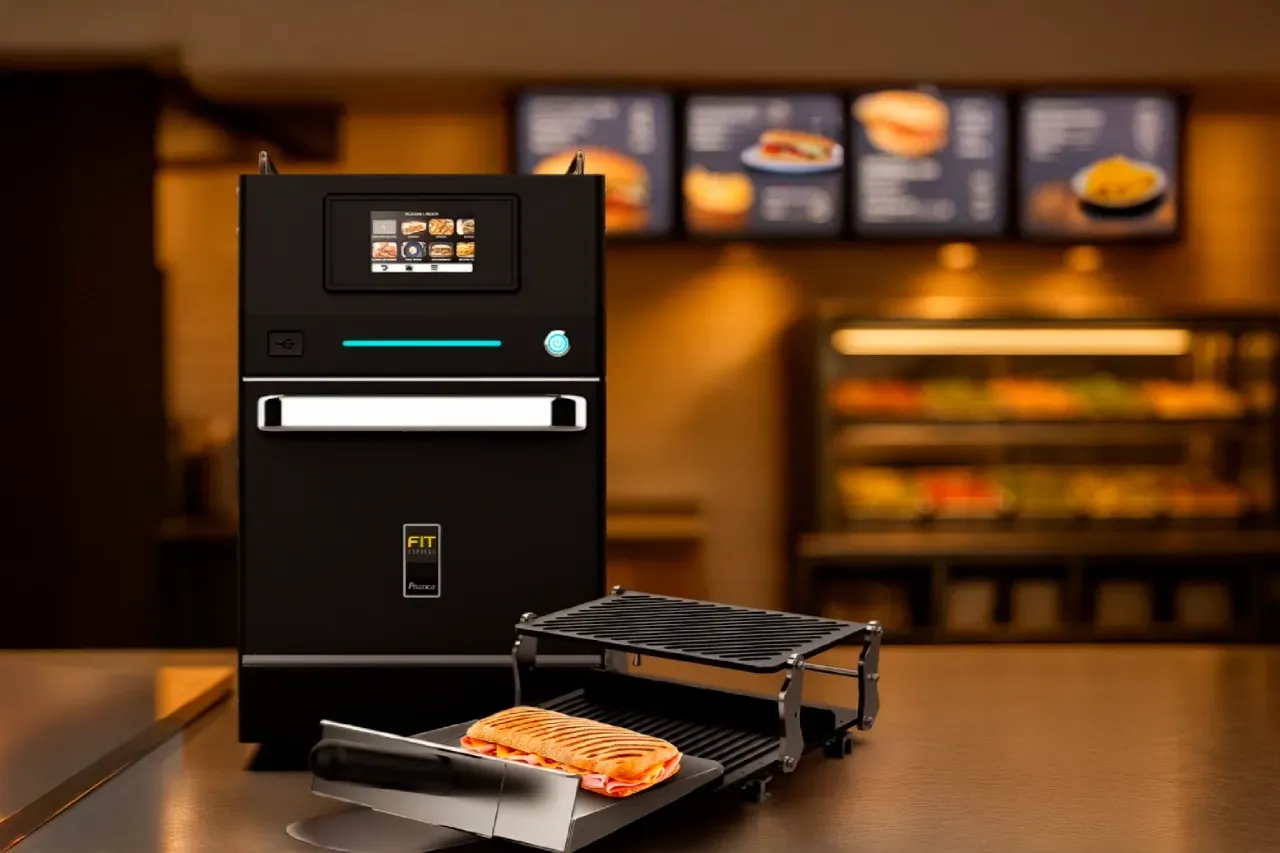
In today’s foodservice industry, innovation goes beyond recipes — it depends on how technology helps deliver quality and consistency at speed.
Compact kitchens, high demand for convenience, and the search for better labour productivity are pushing entrepreneurs to rethink their operational structure.
Speed Ovens have become one of the most strategic tools in this process.
By combining microwave, impinged air, and infrared heat, they cook, toast, or finish food in seconds — without compromising texture or flavour.
This combination allows operators to create diverse menus within a single compact unit, transforming equipment versatility into menu creativity.
Why Speed Ovens Enable Menu Expansion
A Speed Oven can replace several traditional appliances, performing the roles of a griddle, toaster, or convection oven with greater precision and efficiency.
Its compact, ventless, plug & play design allows easy installation in cafés, bakeries, kiosks, food trucks, and other small spaces where every square centimetre matters.
For multi-unit operations, the advantage is even clearer.
Through IoK connectivity (Internet of Kitchen), recipes and settings can be updated remotely, ensuring the same results in every location.
That means menu innovation can happen quickly and consistently, without retraining staff or disrupting operations.
Beyond speed, this technology enables real standardisation.
Pre-programmed recipes eliminate guesswork, guaranteeing uniformity of colour, temperature, and crispness.
The result is operational flexibility that supports creativity — without increasing complexity.
From Paninis to Pastries: The Range of Possibilities
The name Speed Oven suggests quickness, but its true value lies in versatility.
It allows foodservice operators to work with a variety of products, from hot snacks to delicate baked goods, adapting easily to different service models and times of day.
Paninis, Sandwiches, and Toasted Items
Few menu items illustrate versatility better than the panini.
A Speed Oven toasts the bread evenly while keeping the filling soft and warm.
Whether it’s ciabatta with mozzarella, a baguette with cured meats, or a croissant sandwich, the result is consistent: golden crust, melted cheese, and a pleasant crunch in every bite.
Compared to traditional grills, the process is faster and cleaner.
There is no need for oil or pressing, and the final texture can be adjusted by programming airflow and temperature.
This allows cafés and bakeries to expand their offer during peak hours, maintaining fast turnover and customer satisfaction.
Bakery and Pastry Items
For bakeries and pastry shops, Speed Ovens are a practical solution for finishing or reheating pre-baked or chilled products.
Croissants, Danish pastries, cookies, and muffins regain their aroma and texture within seconds, maintaining the perception of freshly baked goods throughout the day.
Because the oven’s technology distributes heat evenly, products retain moisture inside and crispness on the outside.
This capability supports the bake-off and cook & chill production methods, reducing waste and improving stock management.
Operators can offer variety and freshness without needing a full baking area, ideal for limited spaces or satellite points of sale.
Proteins and Ready Meals
Speed Ovens are equally efficient when handling pre-cooked proteins and composed dishes.
Pre-grilled chicken fillets, fish portions, or beef burgers can be finished to the ideal temperature and colour in seconds.
As the protein has already been prepared, impinged air delivers consistent browning, while microwave power ensures the interior reaches a safe serving temperature.
In ready meals or bowls, components such as rice, pasta, and vegetables heat evenly without drying out.
This creates opportunities for quick service concepts that deliver high quality and attractive presentation, which are key factors for the growth of grab-and-go and delivery segments.
Snacks and Appetisers
Savoury pastries, quiches, empanadas, cheese melts, and pizzas are among the most frequent Speed Oven applications.
Their short regeneration times enable on-demand preparation and portion control, eliminating the need for heated displays.
For operators, that translates to reduced waste, fresher products, and higher turnover.
It also allows for flexible menus that adapt easily to different dayparts, from breakfast to late-night service.
Desserts and Sweet Treats
A Speed Oven can also handle delicate desserts.
Brownies, tarts, or custard-based sweets can be warmed or caramelised just before serving, achieving a professional finish with minimal handling.
By programming low microwave levels and gentle airflow, chefs can control textures precisely, even when reheating pre-prepared items.
This makes dessert service faster, more consistent, and more profitable, especially in cafés or casual restaurants where speed and visual appeal matter equally.
Operational Benefits for Menu Development
Beyond culinary versatility, Speed Ovens bring measurable operational advantages.
- Recipe standardisation ensures consistent quality across multiple outlets.
- Remote management via IoK enables instant updates and performance tracking.
- Reduced energy use and quick recovery between cycles support sustainability goals.
- Short learning curve allows staff rotation without compromising product results.
This combination of reliability and flexibility shortens product development cycles. New items can be tested, adjusted, and launched faster, turning creativity into tangible results.
Practical Tips for Menu Innovation
To make the most of this technology:
- Start with existing programs and adapt parameters such as microwave duty cycle or airflow intensity to suit new products.
- Work with chilled ingredients whenever possible for faster, more even heating.
- Test portion size and packaging to ensure optimal results in consistent service times.
- Schedule regular IoK updates so that every site receives the latest recipes instantly.
- Monitor energy consumption and output, using data to refine operations and reduce costs.
These practices help maintain quality while allowing constant menu evolution — a key factor for customer loyalty in fast-paced markets.
Turning Ideas into Profitable Menus
Speed Ovens are far more than fast-cooking machines.
They represent an operational approach where technology supports creativity.
With a single piece of equipment, foodservice professionals can serve toasted sandwiches, delicate pastries, reheated meals, and plated desserts — all prepared in seconds with consistent results.
From paninis to pastries, menu innovation becomes a daily reality rather than a complex project.
By combining flexibility, precision, and digital connectivity, Speed Ovens enable entrepreneurs to transform ideas into profitable, repeatable, and efficient operations.
In today’s foodservice industry, innovation goes beyond recipes — it depends on how technology helps deliver quality and consistency at speed.
Compact kitchens, high demand for convenience, and the search for better labour productivity are pushing entrepreneurs to rethink their operational structure.
Speed Ovens have become one of the most strategic tools in this process.
By combining microwave, impinged air, and infrared heat, they cook, toast, or finish food in seconds — without compromising texture or flavour.
This combination allows operators to create diverse menus within a single compact unit, transforming equipment versatility into menu creativity.
Why Speed Ovens Enable Menu Expansion
A Speed Oven can replace several traditional appliances, performing the roles of a griddle, toaster, or convection oven with greater precision and efficiency.
Its compact, ventless, plug & play design allows easy installation in cafés, bakeries, kiosks, food trucks, and other small spaces where every square centimetre matters.
For multi-unit operations, the advantage is even clearer.
Through IoK connectivity (Internet of Kitchen), recipes and settings can be updated remotely, ensuring the same results in every location.
That means menu innovation can happen quickly and consistently, without retraining staff or disrupting operations.
Beyond speed, this technology enables real standardisation.
Pre-programmed recipes eliminate guesswork, guaranteeing uniformity of colour, temperature, and crispness.
The result is operational flexibility that supports creativity — without increasing complexity.
From Paninis to Pastries: The Range of Possibilities
The name Speed Oven suggests quickness, but its true value lies in versatility.
It allows foodservice operators to work with a variety of products, from hot snacks to delicate baked goods, adapting easily to different service models and times of day.
Paninis, Sandwiches, and Toasted Items
Few menu items illustrate versatility better than the panini.
A Speed Oven toasts the bread evenly while keeping the filling soft and warm.
Whether it’s ciabatta with mozzarella, a baguette with cured meats, or a croissant sandwich, the result is consistent: golden crust, melted cheese, and a pleasant crunch in every bite.
Compared to traditional grills, the process is faster and cleaner.
There is no need for oil or pressing, and the final texture can be adjusted by programming airflow and temperature.
This allows cafés and bakeries to expand their offer during peak hours, maintaining fast turnover and customer satisfaction.
Bakery and Pastry Items
For bakeries and pastry shops, Speed Ovens are a practical solution for finishing or reheating pre-baked or chilled products.
Croissants, Danish pastries, cookies, and muffins regain their aroma and texture within seconds, maintaining the perception of freshly baked goods throughout the day.
Because the oven’s technology distributes heat evenly, products retain moisture inside and crispness on the outside.
This capability supports the bake-off and cook & chill production methods, reducing waste and improving stock management.
Operators can offer variety and freshness without needing a full baking area, ideal for limited spaces or satellite points of sale.
Proteins and Ready Meals
Speed Ovens are equally efficient in handling proteins and composed dishes.
Chicken fillets, fish portions, or beef burgers can be finished to ideal temperature and colour in seconds.
The impinged air ensures browning, while microwave power guarantees that the interior reaches safe serving temperature.
In ready meals or bowls, components such as rice, pasta, or vegetables heat evenly without drying out.
This opens opportunities for quick service concepts that maintain high quality and appealing presentation — essential for growing grab-and-go and delivery segments.
Snacks and Appetisers
Savoury pastries, quiches, empanadas, cheese melts, and pizzas are among the most frequent Speed Oven applications.
Their short regeneration times enable on-demand preparation and portion control, eliminating the need for heated displays.
For operators, that translates to reduced waste, fresher products, and higher turnover.
It also allows for flexible menus that adapt easily to different dayparts, from breakfast to late-night service.
Desserts and Sweet Treats
A Speed Oven can also handle delicate desserts.
Brownies, tarts, or custard-based sweets can be warmed or caramelised just before serving, achieving a professional finish with minimal handling.
By programming low microwave levels and gentle airflow, chefs can control textures precisely, even when reheating pre-prepared items.
This makes dessert service faster, more consistent, and more profitable, especially in cafés or casual restaurants where speed and visual appeal matter equally.
Operational Benefits for Menu Development
Beyond culinary versatility, Speed Ovens bring measurable operational advantages.
- Recipe standardisation ensures consistent quality across multiple outlets.
- Remote management via IoK enables instant updates and performance tracking.
- Reduced energy use and quick recovery between cycles support sustainability goals.
- Short learning curve allows staff rotation without compromising product results.
This combination of reliability and flexibility shortens product development cycles.
New items can be tested, adjusted, and launched faster, turning creativity into tangible results.
Practical Tips for Menu Innovation
To make the most of this technology:
- Start with existing programs and adapt parameters such as microwave duty cycle or airflow intensity to suit new products.
- Work with chilled ingredients whenever possible for faster, more even heating.
- Test portion size and packaging to ensure optimal results in consistent service times.
- Schedule regular IoK updates so that every site receives the latest recipes instantly.
- Monitor energy consumption and output, using data to refine operations and reduce costs.
These practices help maintain quality while allowing constant menu evolution — a key factor for customer loyalty in fast-paced markets.
Turning Ideas into Profitable Menus
Speed Ovens are far more than fast-cooking machines.
They represent an operational approach where technology supports creativity.
With a single piece of equipment, foodservice professionals can serve toasted sandwiches, delicate pastries, reheated meals, and plated desserts — all prepared in seconds with consistent results.
From paninis to pastries, menu innovation becomes a daily reality rather than a complex project.
By combining flexibility, precision, and digital connectivity, Speed Ovens enable entrepreneurs to transform ideas into profitable, repeatable, and efficient operations.