




Why Fast Hot Snacks Drive All-Day Revenue in Foodservice
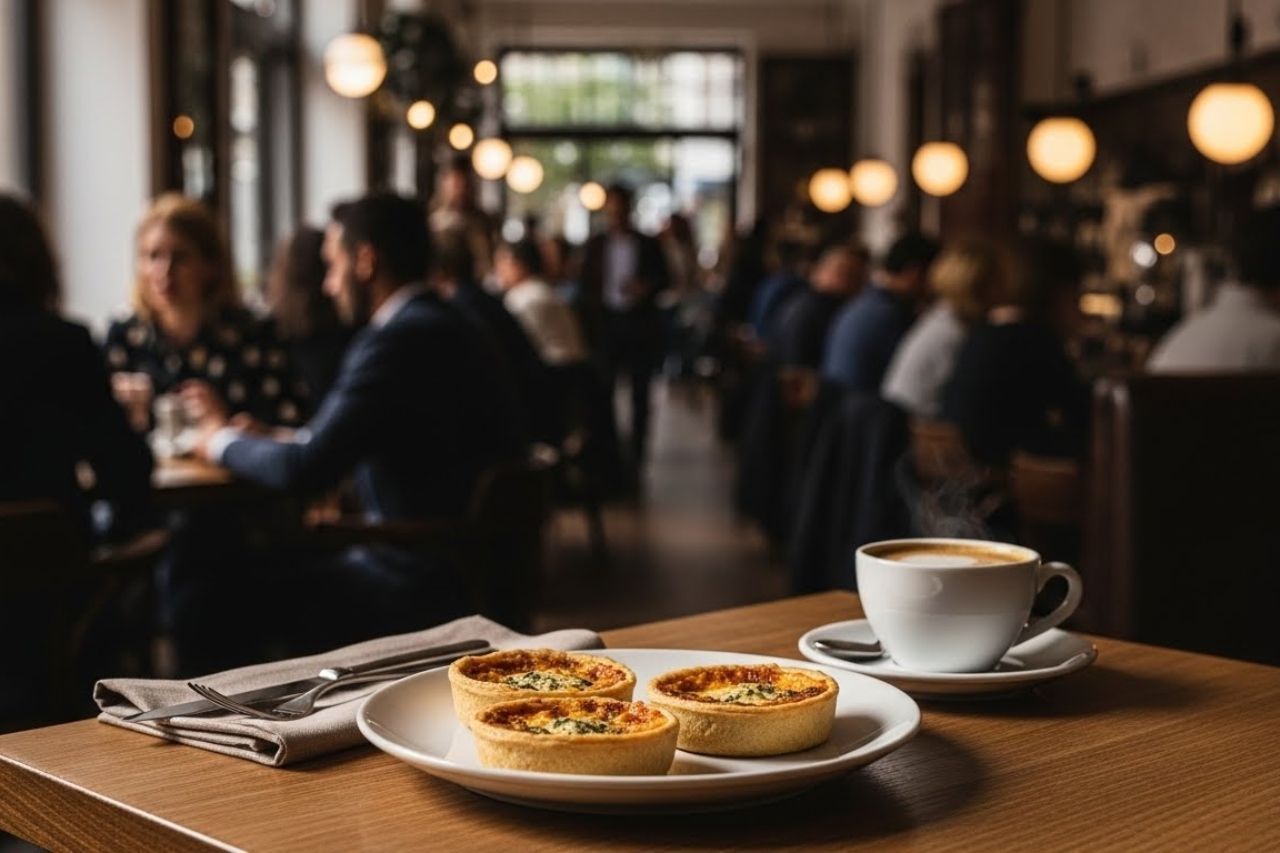
Hot snacks have become a key segment, filling gaps where traditional meals cannot meet demand, even during peak meal times.
These warm, ready-to-serve options are not positioned as full meals, but as quick solutions that fit short breaks and flexible routines.
For operators, investing in this category helps generate additional sales throughout the day, attracting customers looking for speed, convenience and comfort.
By offering fast hot options, foodservice businesses can serve customers during non-peak periods, increasing revenue without relying solely on full meal service.
These products also meet the needs of consumers who want something warm and satisfying, without the time commitment of a complete meal.
Hot Snacks Fit into Modern Routines
Eating habits have shifted to accommodate busy urban lives.
In many countries, meals are fragmented into smaller moments across the day.
Small options are particularly popular during mid-morning, mid-afternoon and early evening, when consumers seek something quick, filling and easy to consume.
For cafés, bakeries, food-to-go outlets and transport hubs, this represents an opportunity to integrate seamlessly into daily routines.
Filling the Gaps Left by Full Meals
Traditional meal service operates within specific time windows.
Outside these periods, kitchens often slow down or suspend production.
Snack-focused formats fill this operational gap, allowing outlets to remain active outside peak hours.
Instead of relying only on cold drinks or packaged items, businesses can offer warm alternatives that attract additional traffic.
These options appeal to customers who do not want a large meal but still need something comforting and practical.
As a result, sales remain steady.
Importantly, they also play a role during conventional service hours.
Even at lunch or dinner peaks, they are a relevant alternative for customers who prefer a lighter option.
Speed Is Key for Snack-Based Service
Their success depends on speed.
By definition, a snack must be immediate.
If preparation takes too long, the value proposition disappears.
European consumers expect fast delivery.
Waiting several minutes for a warm snack reduces convenience and discourages impulse purchases.
For this reason, these products are designed to be pre-prepared and finalised only at the moment of order.
Items are kept chilled and heated quickly to reach the correct temperature and texture.
This finishing model ensures consistency and agility, which is especially important for compact kitchens with limited staff and infrastructure.
Simplicity and Operational Efficiency
Simplicity is an operational requirement.
Many foodservice outlets operate in reduced spaces, with limited ventilation and equipment.
Full production kitchens are often impractical in these environments.
Snack solutions are built to work within these constraints.
They rely on simple processes, controlled portions and minimal preparation steps.
This makes them ideal for cafés, bakeries, kiosks and food-to-go locations.
Fewer steps mean faster service, easier training and fewer operational errors.
For operators, this translates into predictable output and lower operational pressure during busy periods.
Portion Sizes That Match Consumer Expectations
Portion control is essential.
Recently, consumers tend to value moderation and balance, particularly for snacks.
Typical portions range from 120 g to 250 g, depending on the product and time of day.
Sandwiches, wraps and panini are compact and easy to handle.
Quiches and savoury pastries are served as individual portions designed for quick consumption.
How These Products Are Served
Service is designed around immediacy.
Warm snacks are usually handed over directly at the counter or via a pick-up point as soon as finishing is complete.
Packaging supports both temperature retention and ease of handling.
Food-grade paper is common for sandwiches and wraps, while small cardboard boxes are used for baked items.
Open or semi-open formats help preserve texture and reduce condensation.
Most items are intended for consumption without cutlery.
When eaten on site, presentation remains simple, using basic plates or boards.
Takeaway remains a dominant format, requiring packaging that maintains quality during short transport.
Popular Hot Snack Categories
Snack-based menus cover a wide range of familiar formats, allowing variety without operational complexity.
Sandwiches and toasts include panini, croque monsieur, croque madame and filled toasts.
Wraps and flatbreads feature meat, vegetable or plant-based fillings.
Savoury pastries include sausage rolls and empanadas.
Quiches and savoury tarts offer baked options.
Breaded snacks such as nuggets, falafel and arancini provide versatility.
Oven baked items like mini pizzas, stuffed breads and focaccia complete the offer, alongside hot sides such as potatoes and hash browns.
Why Snacks Support All-Day Revenue
Snack options are not limited to off-peak moments.
They operate across the entire day, complementing full meals rather than competing with them.
They attract customers who want something warm without committing to a full dish, those with limited time, or those looking for a lighter and faster option during peak service hours.
In addition, snacks often represent a more accessible price point, allowing businesses to reach broader customer segments and increase transaction frequency.
By offering fast, warm snack solutions, foodservice outlets increase average spend, improve traffic flow and maintain relevance throughout the day.
Speed Ovens as an Alternative
Speed Ovens offer a practical and efficient alternative for snack-focused operations that require speed, consistency and compact layouts.
Designed to finalise products quickly, they fit naturally into environments where snacks are chilled, pre-prepared and finished on demand.
For snack service, Speed Ovens reduce waiting time while delivering controlled heating and reliable results across different products.
They allow operators to handle high turnover periods without expanding kitchen space or increasing staff.
Their compact footprint makes them suitable for cafés, bakeries, food-to-go outlets and transport locations, where infrastructure is often limited.
At the same time, they support standardisation, predictable portions and attention to segurança dos alimentos, aligning operational efficiency with modern consumer expectations.
Why Investing in Warm Snacks Pays Off
Warm snack formats are no longer secondary items.
They are a strategic tool, addressing moments where traditional meals do not fit.
When structured around speed, simplicity and standardisation, these products enhance operational efficiency.
Whether as a quick bite between meals, a lighter alternative during busy periods or an accessible option for a wider audience, they are always welcome.