




Speed Oven Technology Compared: Convection, Impingement, Microwave
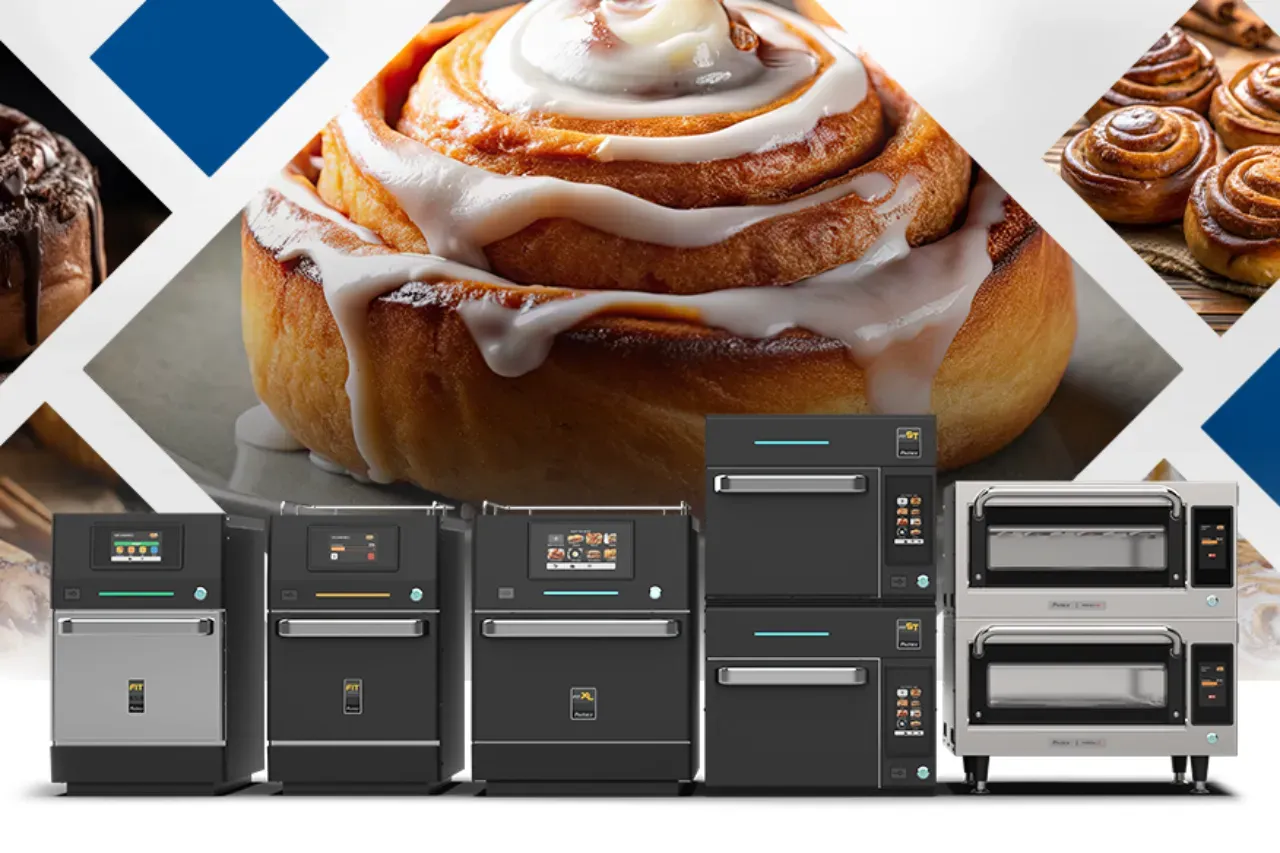
The foodservice market has changed quickly.
Kitchens now operate with smaller teams, tighter margins and higher customer expectations.
As a result, speed, consistency and efficiency are priorities for any operation.
Speed ovens have become a key solution.
They cook faster than traditional ovens and support a wide range of menus.
They also help control energy use, reduce labour pressure and keep output stable during busy hours.
These ovens combine three technologies: convection, impingement and microwaves.
Understanding how each one works helps operators make better decisions when selecting equipment for bakeries, cafés, hotels and quick-service restaurants.
1. Why Speed Ovens Are Increasing in Demand
Several industry pressures explain the growing interest in this type of oven.
Worldwide, many operators face similar challenges.
Labour Shortages
Finding trained staff is difficult.
Speed ovens help by automating cooking steps and reducing the need for specialised labour.
Expanding Menus
Kitchens now prepare more products in the same space.
Artisan panini, viennoiserie, grab-and-go meals and plant-based items often share a single production line.
This requires flexible equipment that adapts well to rapid menu changes.
Energy Costs
Electricity prices continue to rise in the EU and the UK.
Ovens that shorten cooking cycles and avoid long preheat periods are increasingly valuable.
Small Footprints
Urban kitchens often operate in limited areas.
Compact ovens that deliver high output allow these businesses to compete without expanding their footprint.
Standardisation and Compliance
Chain and franchise operations rely on consistent results.
Speed ovens help maintain brand identity and support hygiene standards such as HACCP.
These factors create ideal conditions for the adoption of hybrid heating systems.
2. Convection Heating – Even and Reliable Heat
Convection heating is one of the most well-known cooking methods.
It works by circulating hot air inside the oven chamber to heat food evenly.
How Convection Works
- Fans move hot air across the entire cavity.
- Heat reaches all surfaces of the food.
- No manual turning or repositioning is needed.
Advantages
- Even cooking without hot spots.
- Ideal for pastries, breads and delicate items.
- Maintains chamber temperature efficiently.
Limitations
- Slower than impingement or microwave-assisted systems.
- Does not provide strong crisping on its own.
Prática’s Engineering Approach
Prática focuses on balanced airflow.
Fan speed, duct geometry and chamber design distribute heat evenly throughout the cavity.
This ensures consistent performance even during continuous cycles, such as breakfast service in cafés or hotel kitchens.
3. Impingement Heating – Intense Heat for Texture and Speed
Impingement takes convection further. Instead of general hot air circulation, it directs high-speed air jets to the food surface.
How Impingement Works
- Nozzles or perforated plates guide hot air toward the product.
- The jets break the cool air layer that forms around food.
- Heat penetrates more quickly.
Advantages
- Rapid surface browning and crisping.
- Shorter cooking cycles for high throughput.
- Strong Maillard reaction that enhances aroma and colour.
Limitations
- Can dry or darken the surface if not balanced correctly.
- Works best when combined with other heating modes.
Prática’s Innovation
Prática designs systems that maintain stable pressure across the entire impingement plate.
This prevents overcooking and ensures consistent colour from corner to centre.
Adjustable intensity helps operators work with laminated doughs, sandwiches, pizzas and bakery snacks throughout the day.
4. Microwave Assistance – Fast Internal Heating
Microwave technology is often misunderstood because domestic microwaves do not heat evenly.
In professional speed ovens, however, microwaves are precisely controlled.
How Microwaves Work
- Electromagnetic waves excite water molecules in the food.
- Heat forms from the inside out.
- Core temperatures rise quickly, reducing cooking time
Advantages
- Very fast internal heating.
- Essential for dense or multi-layered products such as lasagne or filled sandwiches.
- No preheating required.
Limitations
- Does not brown or crisp.
- Can create uneven heating if poorly controlled.
Microwave Control in Prática Ovens
Prática uses microwave modulation that adjusts power in milliseconds.
The system synchronises microwave output with air temperature and airflow direction.
This helps maintain texture while speeding up internal heating and prevents hot or cold spots.
5. Comparing the Three Technologies
Here is a clear overview of how the systems differ:
Convection
- Best for even cooking and gentle heat.
- Commonly used for bakery products.
- Not the fastest option for high-volume service.
Impingement
- Strong browning and crisping.
- Excellent for toasted items, pizzas and snacks.
- Requires balance to avoid drying.
Microwaves
- Fastest method for core heating.
- Works best together with convection or impingement.
- Not suitable alone for crisp textures.
Hybrid Technology
The most advanced speed ovens combine all three systems.
Convection creates evenness, impingement provides texture and microwaves heat the core quickly.
Effective coordination is essential for quality.
Prática’s design focuses on synchronising these systems to deliver consistent results throughout long service periods.
6. Engineering for Real Kitchen Conditions
Reliability matters as much as raw speed. Speed ovens must perform the same way during the 500th cycle as they did on the first day.
Prática’s Reliability Features
- Balanced heat dynamics that reduce temperature swings.
- Intelligent control algorithms that adapt to food load and type.
- Durable components designed for continuous use.
- Simplified cleaning access to reduce downtime.
These engineering choices help businesses maintain quality while managing energy, labour and production pressures.
7. Operational Benefits for Foodservice Businesses
Speed ovens contribute to several strategic goals:
Energy and Cost Savings
- Shorter cycles reduce energy use per serving.
- Faster recovery times avoid wasted heat.
Menu Versatility
- Supports multiple dayparts without equipment changes.
- Handles sweet and savoury items equally well.
Consistency Across Units
- Pre-programmed settings deliver uniform results.
- Helps manage high staff turnover.
Space Efficiency
- One hybrid oven can replace several traditional appliances.
- Essential for small cafés and city-centre locations.
Sustainability
- Reduced energy use supports EU environmental expectations.
- Can help achieve energy labelling targets.
8. How to Select the Right System
In most cases, the demand is high enough to justify full hybrid systems, since they handle varied menus and continuous production.
What usually changes is the size of the oven chamber, the level of throughput, and whether the equipment needs to be stackable.
The only clear exception is for pizzerias and pizza-focused operations, where impinged-air Speed Ovens deliver the best performance.
Bringing Balance to Modern Cooking
The market continues to evolve.
Labour challenges, energy costs and customer expectations push operators to adopt faster and more efficient systems.
Understanding how convection, impingement and microwave assistance work makes it easier to choose the right equipment.
Prática stands out by balancing these technologies, combining airflow precision, pressure control and microwave modulation.
This balanced engineering supports reliable performance in kitchens across Europe.
In a sector where every second and every watt matter, consistent and efficient heat management is not just a technical advantage. It is a competitive edge.